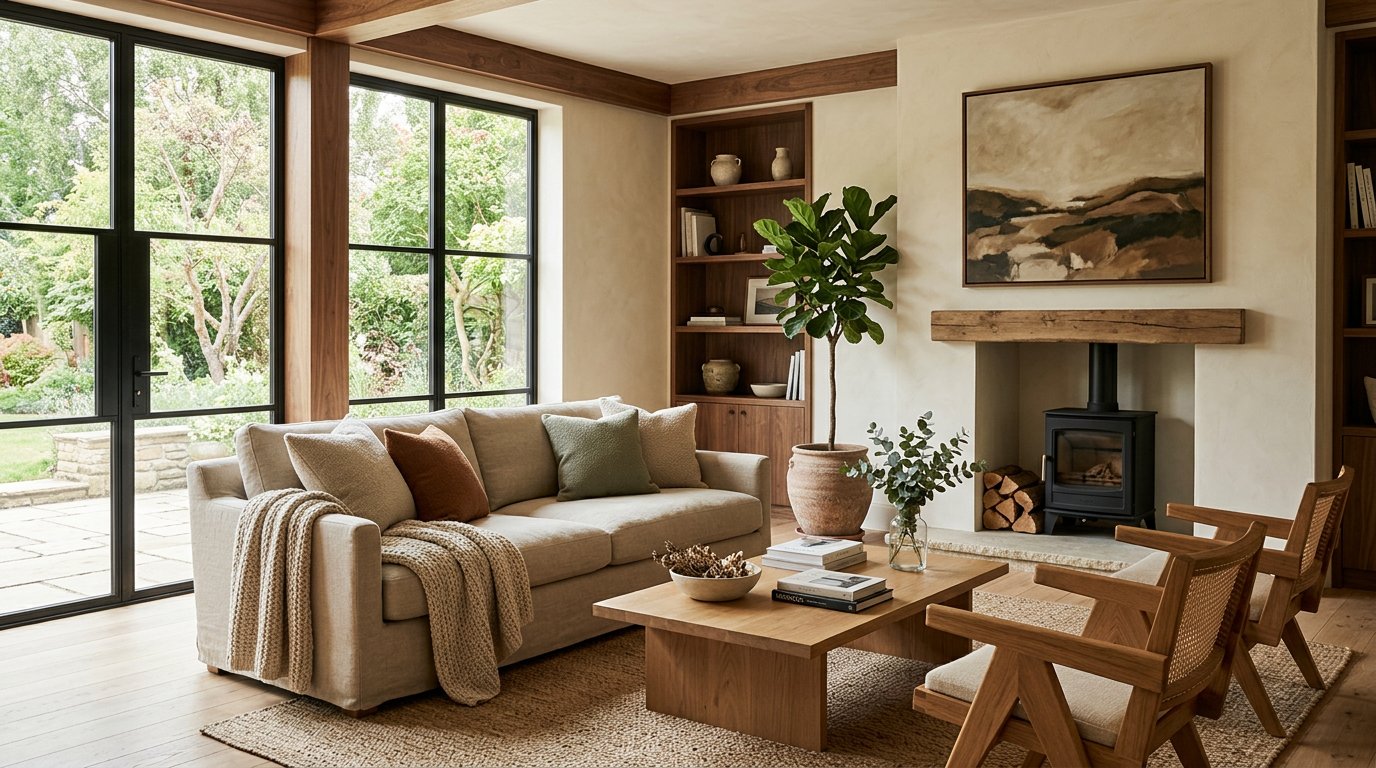
A home refresh can begin with a feeling: a room that seems crowded, a corner that never gets used or a finish that no longer feels like you. Rather than trying to change everything at once, look at how each space supports everyday life and let that observation guide your plan.
Notice how you move through the home
Spend time noticing where you pause, what gets in the way and which rooms naturally draw people together. A better layout can often solve more than a new finish. Think about storage, light, privacy and the everyday objects that need a place to land.
Give each room a clear purpose
Some rooms serve several needs. A dining area might also be a place to work or gather with friends. Name the activities that matter most, then make sure the furniture, lighting and surfaces support them. This keeps design decisions connected to real routines instead of passing trends.
Choose a feeling before a finish
Words such as calm, bright, grounded or playful can help bring a collection of ideas into focus. When you know the feeling you want, it becomes easier to compare paint colors, textures, flooring and fixtures. Repeat a few materials across adjoining spaces for a natural sense of flow.
Plan around the work
Some improvements influence others. Electrical work, lighting, flooring and paint are easier to coordinate when they are considered together. Talk through the order of work, how the home will be used while improvements are underway and what decisions need to be made early.
Make space for the unexpected
Older homes can reveal hidden conditions as work begins. A flexible plan, clear conversations and a considered contingency can make it easier to respond without losing sight of the overall goal.
A refresh does not need to change every room. Start with the spaces that affect your day most, then let a thoughtful plan help the rest of the home follow.
Back to Latest Blog